


Choosing the right healthcare provider is a significant decision that impacts your long-term wellness and mobility. While chiropractic care helps millions of Americans safely manage pain and improve neurological function, it is vital to partner with a practitioner who adheres to strict ethical and clinical standards.
At Advantage Chiropractic in New Berlin, WI, we believe that transparency, evidence-based practices, and clinical integrity are the foundations of a successful doctor-patient relationship. To help our community make informed healthcare decisions, we have outlined the standard “quality markers” you should expect from a professional clinic—and the clinical red flags that may suggest substandard care.
1. Diagnostic and Treatment Integrity
Quality chiropractic care begins long before the first adjustment. A practitioner’s diagnostic process reveals a lot about their clinical standards.
The “One-Size-Fits-All” Approach
A significant red flag is the absence of a personalized diagnostic process. Every patient’s neurological and spinal health is unique. If a clinic suggests a treatment plan without a comprehensive evaluation—including neurological testing, postural assessments, or orthopedic exams—it suggests a “cookie-cutter” approach. Your specific symptoms, medical history, and biomechanics should dictate your care, not a predetermined routine.
Over-Utilization of Medical Imaging
While X-rays are highly valuable diagnostic tools, they should only be utilized when clinically indicated. Routine imaging for every single patient, regardless of their condition or history, is an outdated practice. Ethical clinics follow the guidelines set by major chiropractic boards: medical imaging should be used when the diagnostic benefits clearly outweigh any risks.
Rushed Clinical Sessions
If your provider spends only a few minutes with you per session without assessing your current presentation or tracking your response to care, they may be prioritizing volume over patient outcomes.
2. Communication and Informed Consent
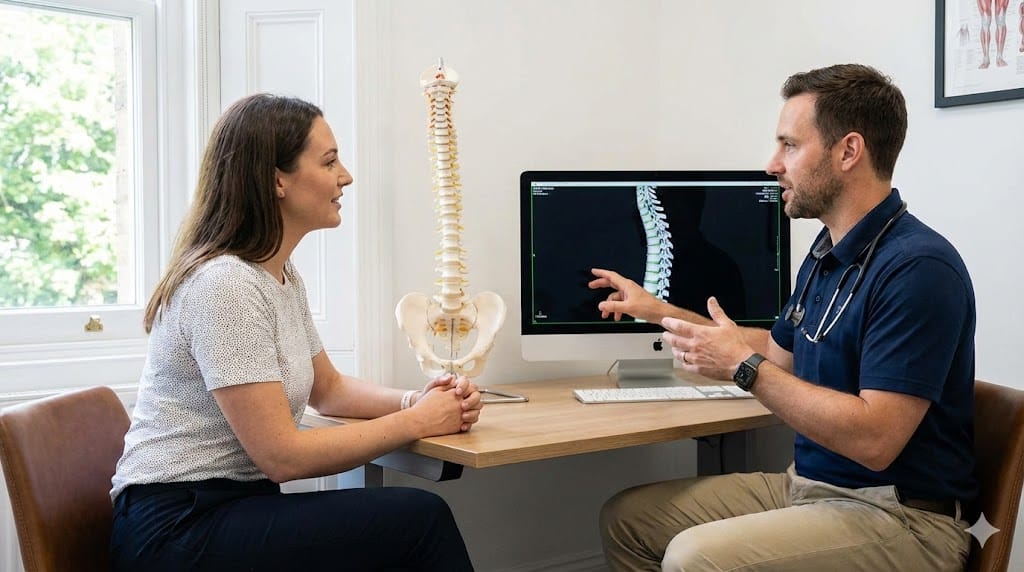
Clear, two-way communication is a mandatory component of professional healthcare. You have a right to understand every aspect of your body and your care plan.
Use of Fear-Based Language
Be highly cautious of providers who exaggerate minor spinal issues to pressure you into immediate treatment. Claiming that your condition will rapidly deteriorate into a severe medical crisis without their specific intervention is a scare tactic. Professional chiropractors rely on clinical evidence, anatomical education, and objective findings—not fear.
Lack of Transparent Explanations
You should never feel confused about what is happening during your appointment. A responsible provider will clearly explain the modalities they are using, the physiological reasons behind them, and the anticipated clinical outcomes. If a provider becomes defensive or discourages questions, that is a definitive warning sign.
3. Financial Transparency and Care Plans
The financial aspect of your healthcare should be just as transparent as the clinical aspect.
Rigid, Long-Term Financial Commitments
While neurological and structural correction requires consistency, patients should be wary of clinics that demand large, non-refundable upfront payments for months or years of care before any results are observed. Ethical clinics utilize “Care Milestones.” Your financial and clinical plan should include regular re-evaluations to ensure you are responding positively to the care before committing to long-term phases.
4. Clinical Re-evaluations and Follow-Up
If a provider is not actively measuring your progress, they cannot effectively manage your care.
Absence of Progress Tracking
Your provider should regularly reassess your functional capacity, pain levels, and neurological responses. If your care plan continues indefinitely without formal re-evaluations or adjustments based on your healing progress, the clinic is not providing attentive, individualized care.
5. Professional Credentials and Scope of Practice
A provider must operate strictly within their legal and educational scope of practice.
Claims Outside the Chiropractic Scope
Be cautious of providers who claim chiropractic adjustments act as a “cure” for unrelated systemic medical diseases. While optimizing spinal health and reducing nerve interference has a profound impact on your body’s ability to heal and regulate itself, a chiropractor’s primary scope is the relationship between the musculoskeletal system and the nervous system. A trustworthy provider respects the boundaries of the broader medical community and will readily refer you to a primary care physician or specialist when a condition falls outside their scope.
Unverified Licensing
Every practicing chiropractor must hold a Doctor of Chiropractic (DC) degree from an accredited institution and maintain an active license with their state’s chiropractic examining board. Patients should always feel empowered to verify these credentials.
What to Look For: The Marks of Quality Care
When evaluating a new chiropractor, look for these definitive “green flags” of ethical practice:
-
Comprehensive Onboarding: They perform a thorough orthopedic and neurological exam before initiating any care.
-
Informed Consent: They explain your diagnosis clearly and present options without high-pressure sales tactics.
-
Customized Protocols: They tailor their techniques (such as using gentle, instrument-assisted adjustments) to your specific comfort level and clinical needs.
-
Collaborative Care: They track your functional progress and respect your choices throughout the healing process.
Conclusion: Setting the Standard in New Berlin
Inadequate care not only wastes your time and financial resources, but it can also delay your healing process. Knowing these red flags empowers you to advocate for your health and partner with a provider who truly prioritizes your well-being.
If you are looking for a second opinion, or want to experience patient-centered, evidence-based care, contact Advantage Chiropractic in New Berlin, WI. We are committed to clinical excellence, transparent communication, and helping you achieve optimal health safely and effectively.